
Shop floor and OEE
What happens on the shop floor and what reaches the office are rarely the same
Between what happens at the machine and what reaches the office there is a gap in time and accuracy. Four reasons that report arrives late.
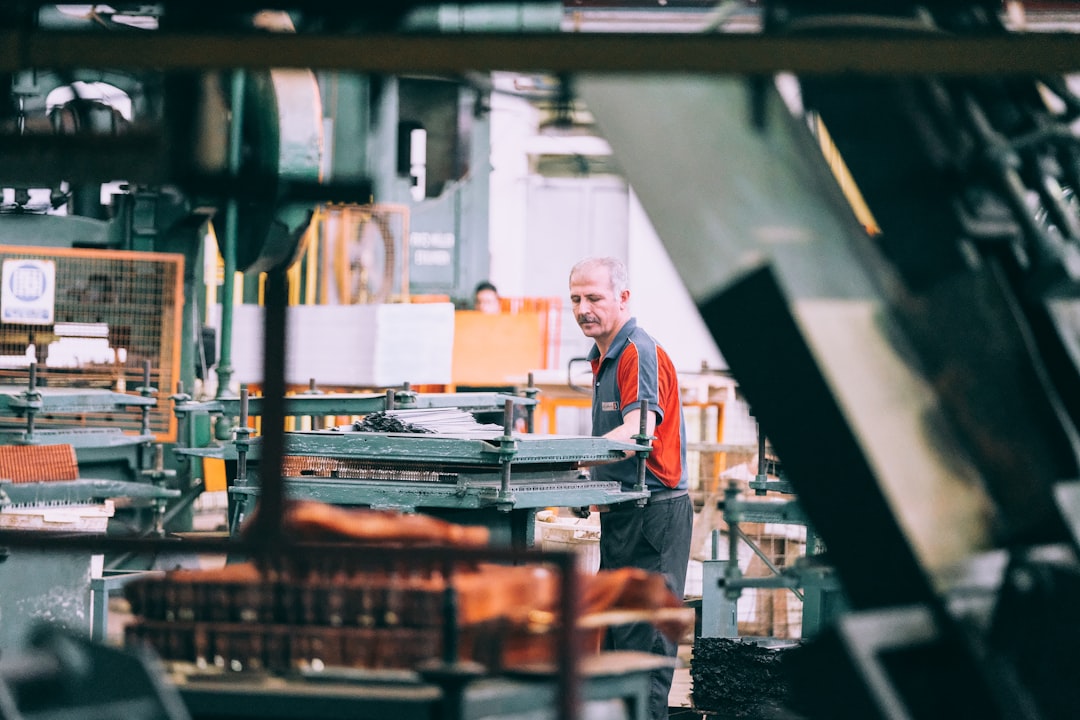
Ask any plant manager how accurate the progress report they receive is, and the honest answer almost always includes a “more or less”. Not because anyone is doing a poor job, but because what happens at the machine and what reaches the office travel along different paths, at different speeds.
These are the four most common reasons.
1. Reported progress and real progress rarely match
When progress is reported at the end of the shift, from memory, what reaches the office is a reasonable approximation — not the real status of each operation at each moment of the shift.
2. Standard times rarely reflect the real machine
A standard time defined years ago, under different conditions, on a machine that has since had maintenance or wear, stops being a useful reference. Comparing against an outdated standard gives a false sense of efficiency or of a problem.
3. A stoppage with no recorded cause is a stoppage that will happen again
It is easy to record that a machine stopped. It is less common to record why, at the exact moment it happened. Without that cause, the same stoppage can repeat week after week without anyone noticing the pattern.
4. The shop-floor board competes with paper, not with the system
If capturing progress takes more effort than jotting it down on paper, paper wins — and that information never reaches the system. A per-machine board, designed for the shop floor rather than an office, is what makes capturing faster than not capturing.
Closing this gap does not depend on asking operators for more discipline. It depends on capturing real progress taking the same time — or less — as reporting it from memory.
FAQ
Common questions about shop-floor data capture
How does the operator capture progress without losing production time?
Through a simplified per-machine board, designed to record progress and stoppages in seconds, not minutes.
Can each machine's standard time be updated?
Yes, and the system also lets you compare actual time against the standard to detect when that standard no longer reflects reality.
Does it work in plants without a constant internet connection?
The board is designed for real shop-floor conditions; check the specific connectivity scenario of your plant with your implementation team.
→Keep reading
Related articles
Demo
Ready to see this in your own operation?
In the demo we walk through a project from start to finish with a case similar to yours.