
Planning and scheduling
Realistic schedules: why most shops underestimate their capacity
The schedule built in a spreadsheet almost always assumes a plant that does not exist. This is what is usually missing.
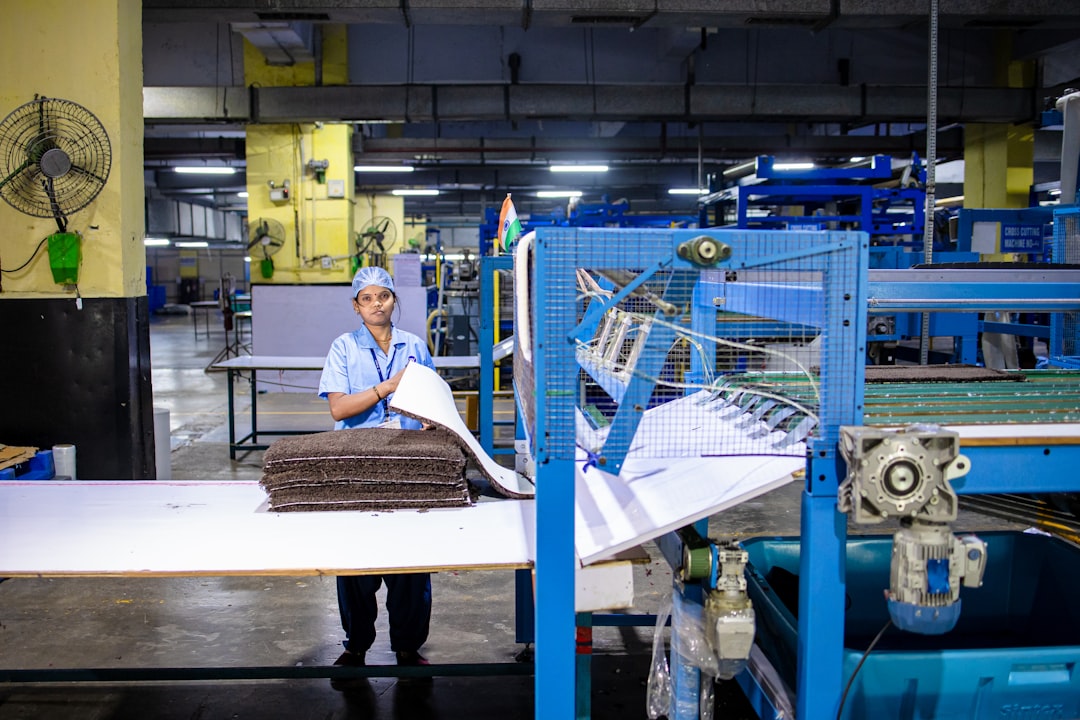
Almost every make-to-order shop schedules its work the same way: someone experienced builds a schedule in a spreadsheet, spreading orders across machines and people based on what they remember about available capacity. It works reasonably well until the operation grows or the number of simultaneous orders exceeds what one person can keep in their head.
What is almost never in the spreadsheet
A manually built schedule rarely includes, consistently, the real changeover time between part numbers, each machine's scheduled maintenance, or efficiency differences between shifts. Not because nobody knows them, but because keeping that information up to date by hand, for dozens of active orders, quickly stops being feasible.
The result: optimistic capacity
When the schedule does not reflect these variables, it tends to assume more capacity than actually exists. Orders are committed with dates that look reasonable on paper, but that do not account for machine X being in maintenance on Thursday, or for a changeover on line Y taking two hours nobody planned for.
What changes with a schedule based on real data
A schedule fed by the real state of the plant — effective capacity, not nominal; real changeover times, not estimates; actual availability of each machine — lets you commit delivery dates the plant can actually meet. This does not remove the commercial pressure to promise shorter dates, but it does remove the surprise of finding out midweek that the schedule was never feasible.
The difference between an optimistic schedule and a realistic one is not noticeable on day one. It shows when, month after month, committed dates stop depending on luck and start depending on the operation's real capacity.
FAQ
Common questions about real plant capacity
What is the difference between nominal capacity and real capacity?
Nominal capacity is what a machine could produce under ideal conditions. Real capacity subtracts changeover time, maintenance and efficiency differences between shifts — it is what actually determines which dates can be met.
Does this mean promising longer dates to customers?
Not necessarily. It means promising dates the plant can meet consistently, instead of optimistic dates that are often missed.
How is real capacity kept up to date without extra manual work?
The schedule is fed directly by the real state of each machine and order on the floor, so it updates itself, without anyone having to rebuild it by hand every time a condition changes.
→Keep reading
Related articles
Demo
Ready to see this in your own operation?
In the demo we walk through a project from start to finish with a case similar to yours.